
You might not think twice about the size of an index card—until you’re standing in an aisle staring at stacks of them, wondering which one makes the most sense. Size isn’t just a physical trait here; it’s a functional choice. Whether you’re prepping for a big presentation, organizing flashcards for study, or setting up recipe cards, choosing the right dimension can make your life way easier. So, what should you be looking for?
Dive Deeper: Monster Can Dimensions Explained: Full Guide to Size and Capacity
Standard Index Card Sizes Explained
Let’s start with the basics. In the U.S., index cards generally come in a few standard sizes. The most common? That classic 3×5 inch card. It’s compact, easy to flip through, and fits neatly in your hand or pocket. But it’s not the only player in town.
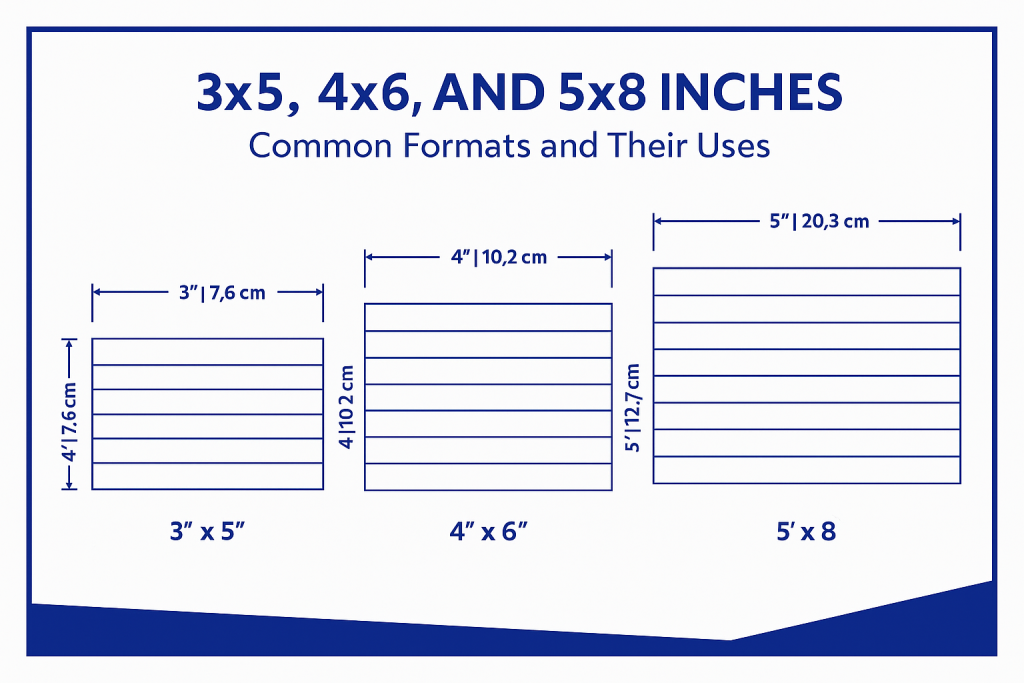
3×5, 4×6, and 5×8 Inches: Common Formats and Their Uses
- 3×5 inches: Perfect for jotting down quick notes, creating flashcards, or making simple to-do lists. Students love this size because it balances space and portability.
- 4×6 inches: A step up in space, this size is great for more detailed notes or tasks that require a bit more room—like recipes, vocabulary definitions, or even journaling prompts.
- 5×8 inches: The big sibling in the trio. It’s ideal for presentations or study notes that require diagrams, bullet points, and longer explanations. You get more surface without losing the tactile experience of flipping a card.
Non-Standard Index Card Dimensions and When to Use Them
Sometimes, the standard sizes just don’t cut it. Maybe you’re working on a specialized project or your storage system demands something different.
Why Non-Standard Sizes Are Made
Not everyone thinks inside the (3×5) box. Non-standard sizes cater to niche uses: project management boards, custom filing systems, or creative arts and crafts. They also pop up in industries where templates or layouts are proprietary.
Examples: 2×3, 6×9, and Custom-Cut Cards
- 2×3 inches: Super compact. Ideal for micro flashcards or portable prompts (think: quick reminders on a keychain ring).
- 6×9 inches: More like a mini notepad. Great for sketching out ideas, client notes, or creative brainstorming.
- Custom-cut sizes: Sometimes you just need it your way. Digital die-cutting tools have made it easy to personalize your index cards to fit specific needs—be it for an event, packaging insert, or a quirky marketing campaign.
When a Custom Size May Be More Practical
Let’s say you’re managing a color-coded system for a team project. Or maybe your workspace demands vertical cards that fit a certain rack. Custom sizes can match the way you work—instead of forcing your workflow to adapt to what’s off the shelf.
International Index Card Sizes: A-Series and Global Variations
Outside the U.S., people think in millimeters rather than inches. That means index card dimensions vary globally.
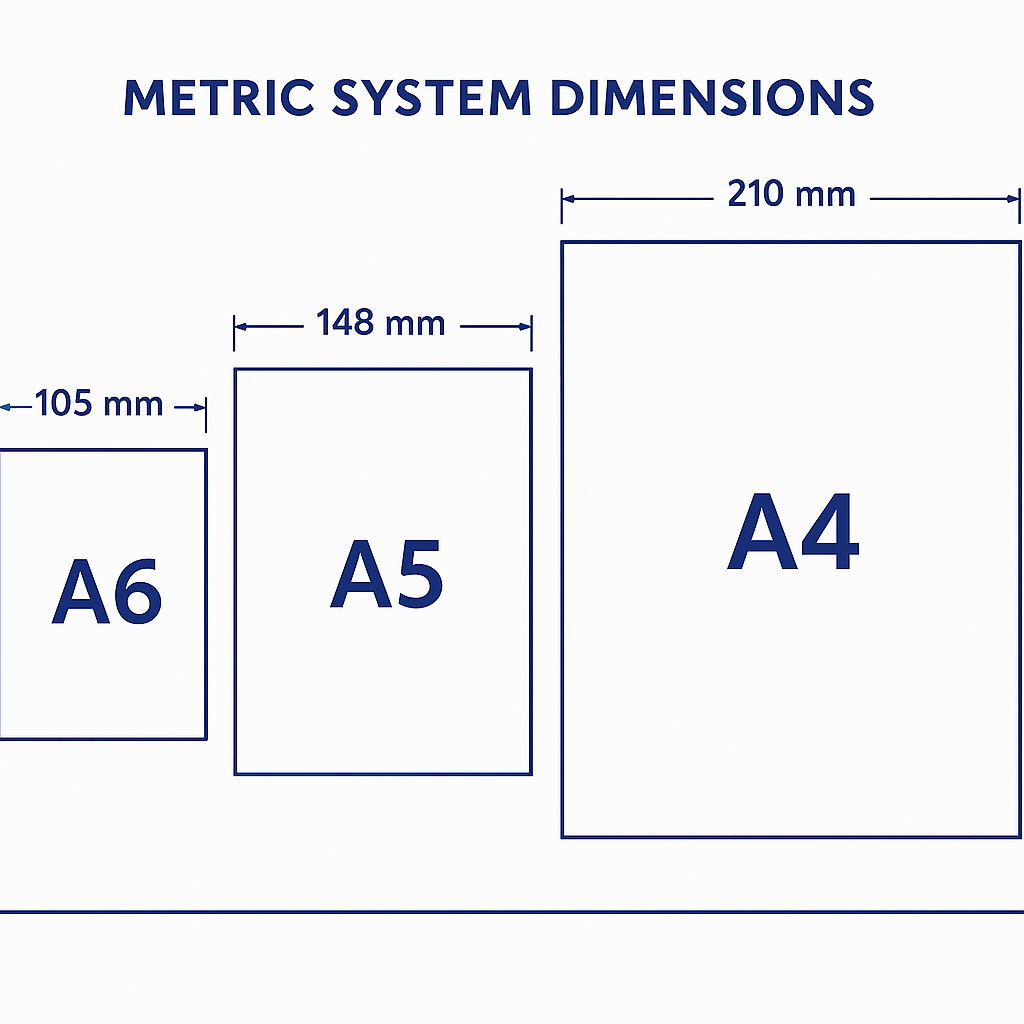
A6, A5, and A4: Metric System Dimensions
- A6 (105 x 148 mm): Closest to the U.S. 4×6. Commonly used for postcards and compact notes.
- A5 (148 x 210 mm): Roughly the size of a half-sheet of printer paper. Perfect for meetings, reports, or mini journals.
- A4 (210 x 297 mm): Standard letter size internationally. Rarely used for index cards but good for full-page inserts or visual boards.
Regional Preferences in Card Sizes
Europe leans metric, while North America sticks to inches. That said, you can find crossover products, especially with global retailers like Amazon or Staples. If you’re an international student or remote worker, you’ll likely encounter both systems.
Dive Deeper: How Tall Is a Pringles Can? Learn the Height and More Fun Facts
Digital Index Cards: Dimensions in a Virtual World
In an increasingly paperless world, digital index cards have stepped in. Apps like Anki, Quizlet, and Notion let you create cards that aren’t bound by physical size. But even here, the idea of “dimensions” still matters—just in terms of layout and screen real estate.
Mobile users might prefer compact, snappy cards, while desktop users can benefit from more expansive, multimedia-rich ones. Regardless, structure is key: a digital card should still feel organized and easy to scan.
| Index Card Size | Dimensions (inches) | Dimensions (cm) | Common Uses |
|---|---|---|---|
| 3×5 | 3 x 5 | 7.6 x 12.7 | Study notes, flashcards, quick reminders |
| 4×6 | 4 x 6 | 10.2 x 15.2 | Recipes, presentations, photo backing |
| 5×8 | 5 x 8 | 12.7 x 20.3 | Project planning, larger notes, displays |
| 6×9 | 6 x 9 | 15.2 x 22.9 | Visual aids, small posters, office signs |
| A6 (European) | 4.1 x 5.8 | 10.5 x 14.8 | International use, journaling, invites |
| Custom Sizes | Varies | Varies | Special projects, scrapbooking, crafts |
Conclusion
Index cards might seem like a small detail, but they pack a punch in productivity, organization, and creative work. Whether you’re going traditional with 3x5s or experimenting with custom formats, knowing your options helps you work smarter. Next time you’re flipping through a pack, you won’t just see paper—you’ll see a tailored tool for your brain. Size really does matter.

Suzana explores how culture, geography, and tradition influence the sizes of everyday items—from clothing to furniture. With international research experience, he brings global perspective to Sizello’s content.
Leave a Reply