

How high is 40 feet, really? At first glance, it might seem like just a number, but when you put it into everyday context, it suddenly takes on a new life. Imagine stacking four adult giraffes end to end or picturing a four-story building—that’s roughly 40 feet tall. It’s the kind of height that feels significant but still relatable enough to grasp without needing a tape measure. Let’s break down what 40 feet looks like in the real world, making it easier to visualize and appreciate just how tall that really is.

A 4-Story Building
First off, imagine a standard 4-story building. Depending on where you live, that might be your apartment block or the office down the street. Each story is roughly 10 feet high—give or take a bit for ceiling height, flooring, and structure. So, stack four of those, and bam! You’ve got yourself 40 feet.
If you’re like me, you might have paused just now picturing standing outside that building, craning your neck to see all four floors. That’s 40 feet. Tall enough to get a decent view from the upper windows, but not so high that it feels like you’re scaling a skyscraper.

A Giant Redwood Sapling
Now, for something a little greener: a giant redwood sapling. These majestic trees can eventually reach heights over 300 feet, but when they’re young saplings, around 40 feet is a common milestone.
Picture yourself standing next to a sapling this tall. It’s a tree already towering over most adults, casting a broad shadow. It’s not the towering giant yet but a serious presence in the forest. You could probably hide beneath its branches on a sunny day.

Four Adult Giraffes Stacked
Here’s a fun visual for you—four adult giraffes stacked on each other. Yes, giraffes can get pretty tall. The average adult giraffe stands about 10 feet tall at the shoulder, with their necks adding more length.
Stack four, and you’ve got a living tower hitting 40 feet. If you imagine that, it’s wild—this natural skyscraper slowly wandering the savannah. The image might be ridiculous, but it’s a memorable way to think about that height.
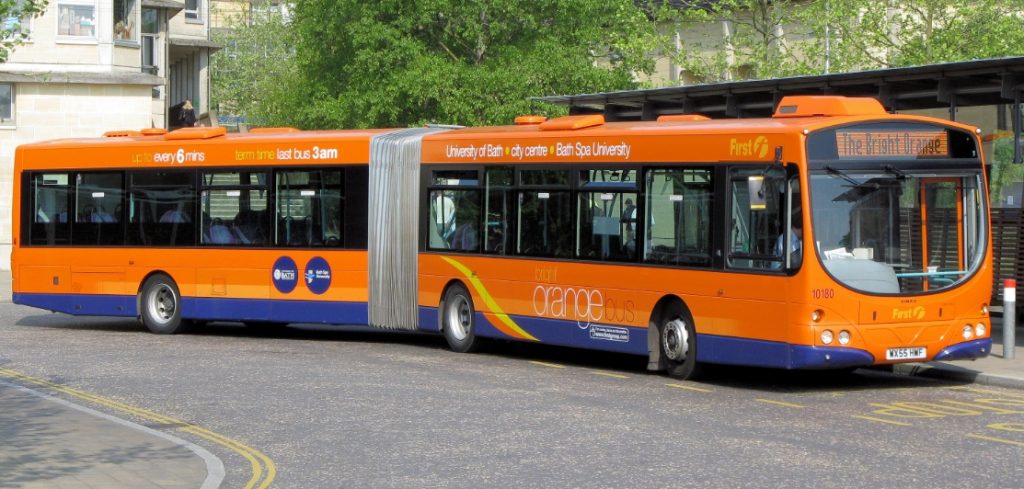
City Bus Laid Sideways
Ever noticed how long a city bus is? Typically, a full-size transit bus is around 40 feet in length. Now, imagine that bus laid down sideways—like it’s toppled over on its side. That’s roughly the exact measurement as 40 feet high.
It’s fascinating because we see buses daily, yet thinking about their length turned vertical gives you a whole new perspective. Suddenly, 40 feet doesn’t seem like just a number; it’s the length of something you might hop on for a quick ride.

Utility Pole
Utility poles are everywhere in neighborhoods, carrying power and phone lines overhead. These poles often range from 30 to 40 feet tall. So when looking up at those poles, you’re practically staring at a 40-foot structure.
It’s one of those everyday things that go unnoticed, but once you realize their height, it changes how you see the streetscape. They’re not just wooden sticks—they’re vital pieces of infrastructure that reach skyward, humming quietly with electricity.

Blue Whale (Length)
Here’s a switch—let’s talk about length, not height. The blue whale, the largest animal on Earth, can reach lengths of about 40 to 100 feet. So a 40-foot blue whale is a juvenile but already an impressive beast.
Imagine the sheer size: a creature as long as 40 feet sliding through the ocean, its heart alone the size of a small car. It’s humbling, reminding us how the natural world has its scale that often dwarfs human constructs.

Apartment Building Facade
Going back to buildings, think about the facade of a typical apartment building. If it’s a low-rise with four stories, the height will be around 40 feet. You could picture a wall with windows, balconies, maybe a fire escape running down the side.
It’s the kind of height that feels familiar, comfortable even. Not towering or intimidating, just solid. A place where people live their daily lives, full of stories stacked vertically.

Olympic Diving Platform Plus Extra
Ever watched Olympic diving? The highest platform divers leap from is 10 meters—about 33 feet. Now, add a little extra to reach 40 feet.
That’s like climbing beyond the highest Olympic platform, then peering down into the pool below. It’s enough to make your stomach flip just imagining standing there. Forty feet up in the air, poised to dive gracefully or plummet wildly, depending on your nerves!
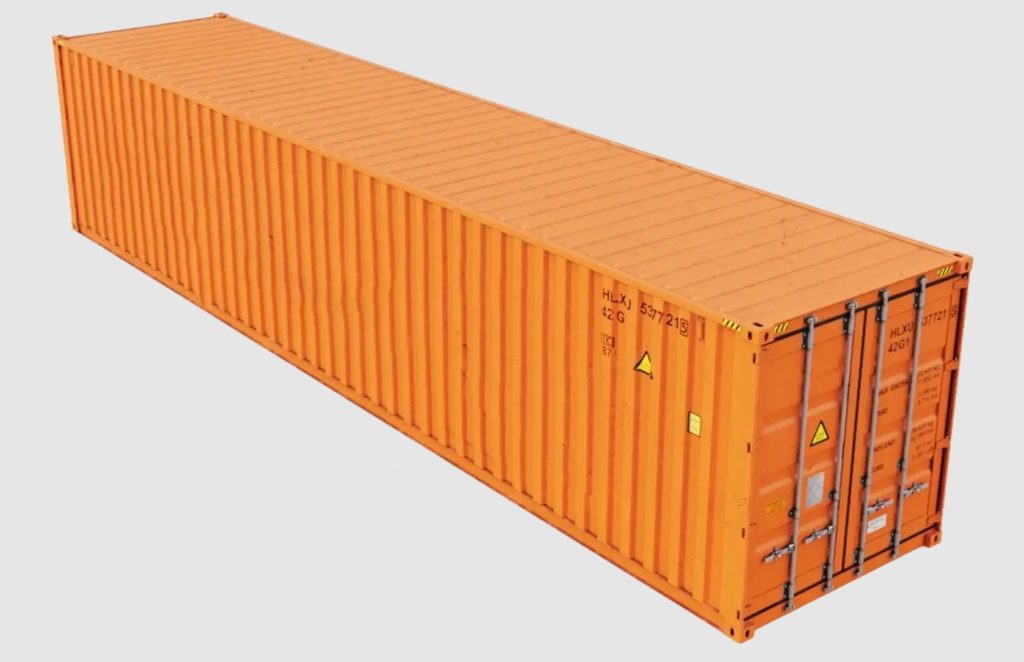
40-Foot Shipping Container Upright
If you’ve ever seen shipping containers stacked in a port or on a freight ship, you might know their standard sizes. The most common large container is 40 feet long.
Now, imagine standing one on its end. That’s a vertical, 40-foot tall metal box, towering over you with an industrial heft. It’s fascinating how something designed for cargo and logistics can also help us visualize height straightforwardly.

Thirteen Cars Lined Up
Finally, let’s line up thirteen average-sized cars bumper to bumper. A typical vehicle is roughly 12 to 15 feet long, so stretch thirteen out and look at about 40 feet.
Picture the line of cars parked along a street or highway. That’s a lot of metal, glass, and rubber stretching to the same length as our 40-foot benchmark. It’s a reminder that length and height can be different ways to measure something pretty tangible.
Conclusion:
So, next time you hear “40 feet,” you’ll have a clear picture in mind—whether it’s a tall tree, a small building, or an impressive stack of basketball hoops. Seeing numbers in real-world terms makes them stick better, right? Now, 40 feet isn’t just a number; it’s a height you can actually imagine standing beneath or reaching for.

Suzana explores how culture, geography, and tradition influence the sizes of everyday items—from clothing to furniture. With international research experience, he brings global perspective to Sizello’s content.
Leave a Reply